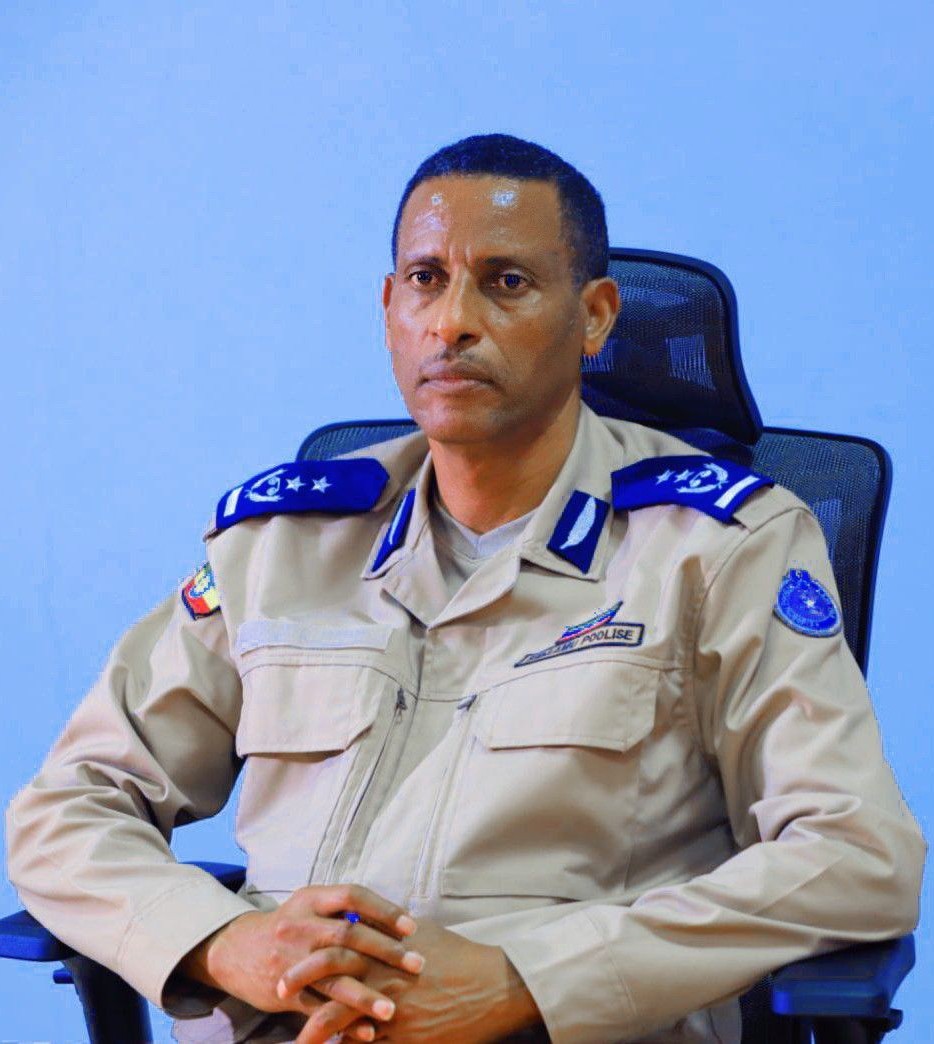
Commissioner Tesfaye Debiso
🛡️ Commander-in-Chief of Sidama Region Police Head Quarter ⭐
📢 Message
The police protect individuals and public interests from harm to institutions such as the country, government, and offices; when damage occurs, they investigate the identity of the perpetrator and gather evidence showing the execution of the act, or conduct criminal investigation. As an institution, the police primarily have two missions: preventing crime before it occurs and conducting investigation after it occurs.
Since police officers are exposed to human rights violations through various actions they take while performing regular duties, police members must pass various recruitment criteria when joining the service to prevent these human rights violations from occurring. Police recruitment criteria is a primary consideration that emerges as a foundation.
In our country as well, anyone interested in becoming a police officer must be an Ethiopian citizen, loyal and obedient to the Federal and Regional constitutions, believe in equality of nations, nationalities and peoples, believe in equality of religions, possess good moral character, be between 18 and 25 years of age, not be a member of any political organization, have adequate physical fitness and complete health for police service, have no criminal record, and pass entrance examinations, according to the FDRE Federal Police Administration Regulation.
It can be understood that it would be beneficial to provide adequate training regularly to prevent human rights violations during crime prevention or investigation. Like other professions, there are also police codes of conduct. Many countries need to monitor and evaluate implemented systems, both within and outside the police institution, that oversee the proper implementation of codes of conduct and provide future direction. This is because just as a doctor, lawyer, judge or other professional is accountable if they violate professional ethics, the police should also be accountable and responsible criminally, disciplinarily and civilly - information indicates this approach is developing.
One of the fundamental goals of our region's peoples - building together an economic and political community based on the rule of law - can only be achieved when the respect for fundamental rights and freedoms of individuals and groups is ensured. The Police Commission, together with the public, must work on prevention by identifying potential crimes through study, research, analysis and public opinion before they occur, to establish the rule of law.
Furthermore, if crime occurs, it must investigate the criminal act, gather evidence, collaborate with prosecution bodies to ensure legal action is taken against perpetrators, and follow the case through to verdict.
The change brought by people's struggle and pressure should move our country toward democratic system, lay the foundation for lasting peace and prosperity in our region, ensure respect for citizens' fundamental human rights, and serve the people faithfully by addressing complaints raised against the Commission and making continuous systematic and organizational changes.
Recently, our regional government has taken necessary measures to increase police service accessibility and efficiency, and is working to build modern police organization. Therefore, the key role of police is to prevent criminal activity from occurring in society.
The most important issue in police ethics is embodying "good and honest conduct." Therefore, I would like to express that our region's police, from recent times onward, has been examining its internal capacity, making improvements, and working focused on digitalizing service delivery to possess various modern technologies to protect the peace and security of the region's people. Thank you.
Commissioner Tesfaye Debiso | Commander-in-Chief